
Let’s be honest: the road to looking your best isn't always paved with rose petals! Sometimes, it’s paved with ice packs and specialized pillows.
Deep Plane Facelift: Significant Swelling and Deep Tissue Manipulation
While a standard "mini" lift might be easier, a deep plane facelift goes much further into the underlying structures of the face. The surgeon repositions the deeper muscle layers and fat pads to create a more youthful look. This extensive manipulation of deep tissues leads to significant swelling and a feeling of intense pressure around the jawline and neck. Patients often describe a "strangling" sensation or extreme tightness in the neck area for the first week or two.
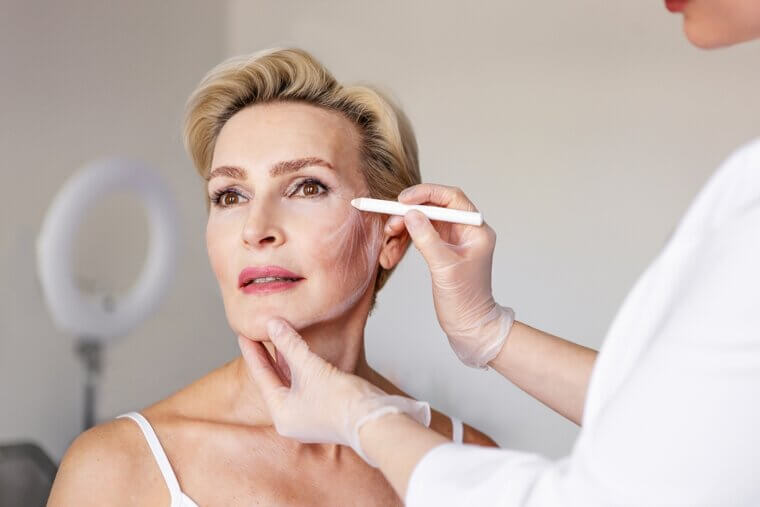
Additionally, as the nerves begin to wake up during the healing process, it is common to experience strange "zapping" sensations, tingling, and a persistent, itchy discomfort that cannot be easily scratched due to temporary numbness.
Brazilian Butt Lift: Multi-Site Trauma and Sitting Restrictions
The Brazilian Butt Lift, commonly referred to as a BBL, is widely considered one of the most taxing cosmetic surgeries due to the dual nature of the procedure. To achieve the desired result, a surgeon must first perform extensive liposuction on areas like the abdomen, hips, or back to harvest fat. This creates significant internal bruising and soreness in those donor sites. Then, that fat is processed and reinjected into the buttocks.

The recovery is particularly grueling because patients are strictly forbidden from sitting or lying on their backs for several weeks to ensure the transferred fat "takes." This constant pressure on other body parts, combined with the deep, aching.
Thigh Lift: High-Friction Area and Intense Skin Pulling
A thigh lift is notoriously difficult because of the location of the incisions and the constant movement of the legs. The procedure involves removing excess skin and fat from the inner or outer thighs and then pulling the remaining skin tight. Because the incisions are often located in the groin area or along the inner thigh, they are subject to constant friction and moisture, which can make the healing process feel irritated and slow.

Every time a patient tries to walk or even shift their position in bed, the tension on those fresh sutures can cause a sharp, stinging sensation.
Tummy Tuck: Tightened Muscles and Significant Core Tension
An abdominoplasty, or tummy tuck, is a major surgical event that involves more than just skin removal. During the procedure, the surgeon often repairs and pulls together the abdominal muscles that have been stretched or separated. This creates a sensation of extreme tightness in the core that many patients describe as feeling like they have done thousands of crunches. Simple, everyday movements like coughing, sneezing, or even laughing can feel incredibly sharp and painful during the first few weeks.

Because the skin is pulled so taut, many patients find they cannot stand up completely straight for several days, leading to secondary back pain from hunched posture as the body slowly adjusts to its new, tighter configuration.
Full Body Lift: Massive Surface Area and Extensive Sutures
A full body lift is essentially a combination of several procedures, often performed after massive weight loss. This surgery targets the abdomen, buttocks, hips, and thighs all at once, meaning the patient has a nearly 360-degree incision around their midsection. The sheer scale of the trauma to the body is what makes this so painful; there is no "comfortable" position to rest in because almost every angle of the torso has been surgically altered.
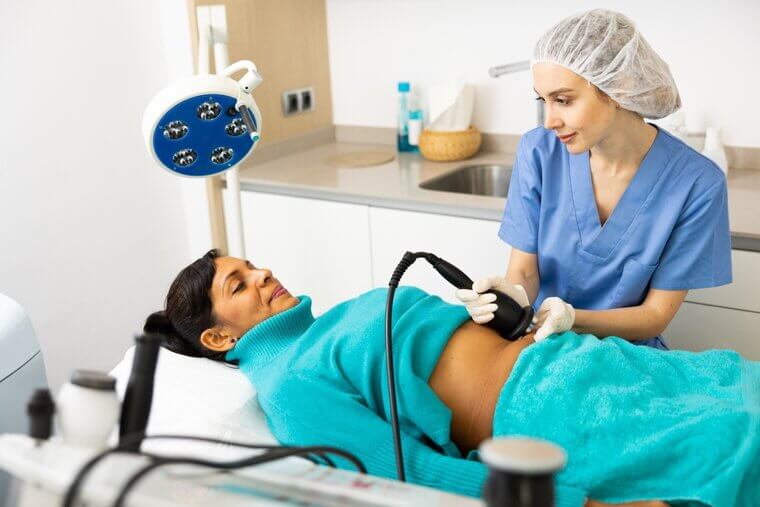
Patients report a deep, heavy aching throughout their entire midsection, along with the intense tightness of the skin. Managing the various drainage tubes and keeping the extensive incision lines clean adds a layer of exhausting discomfort to the.
Augmentation Under the Muscle: Significant Pectoral Muscle Stretching
When breast implants are placed "submuscularly," the surgeon must physically lift and partially detach the pectoral muscles to create a pocket for the implant. This causes a very specific type of deep, throbbing chest pain that can make it difficult to take deep breaths or move the arms for the first several days. The muscle essentially goes into spasm as it is forced to stretch over the new implant.
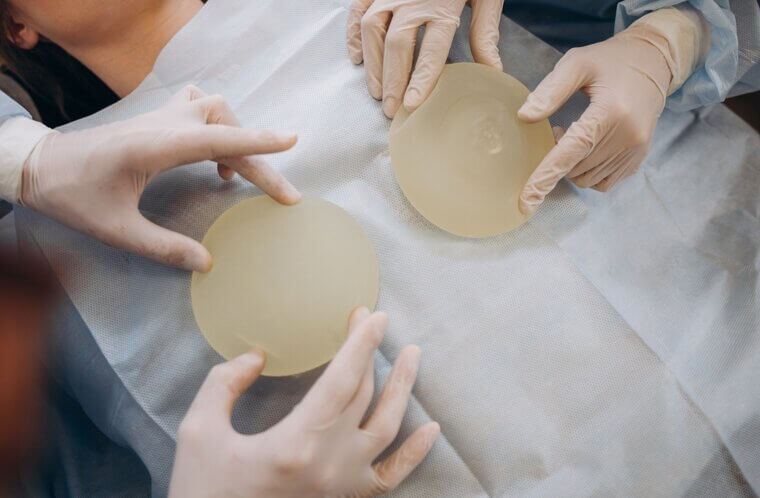
Many women report that the pressure feels like an elephant is sitting on their chest. Unlike procedures that only involve skin or fat, the involvement of a major muscle group means that any movement involving the upper body.
Liposuction of the Calves and Ankles: Gravity and Poor Circulation
Liposuction is generally uncomfortable, but having it done on the lower legs is a different story. Because the calves and ankles are at the lowest point of the body, gravity causes fluid to pool in these areas, leading to extreme swelling and a "heavy" feeling. The skin in this area is also thinner and more sensitive than on the stomach or thighs. Patients often report a burning or stinging sensation that is exacerbated by standing or walking.
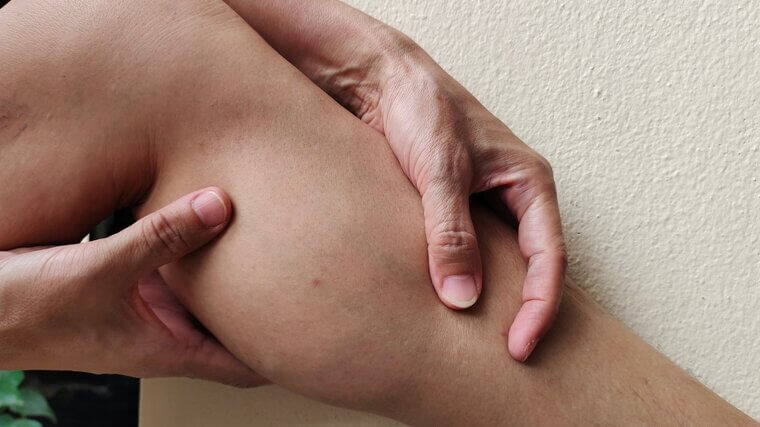
Because the lower legs have less fatty tissue to "cushion" the cannula during the procedure, the mechanical trauma to the area can be quite intense, leaving the patient with significant bruising and soreness that lasts much longer than other areas.
Phenol Chemical Peel: Deep Skin Burning and Intense Shedding
A phenol peel is the strongest type of chemical peel available, and it is essentially a controlled second-degree burn of the face. It is used to treat deep wrinkles and severe sun damage by penetrating into the lower layers of the dermis. The procedure itself is so intense that it sometimes requires heart monitoring, as the chemicals can be systemic. Post-treatment, the face becomes extremely swollen, often to the point where the eyes are swollen shut.
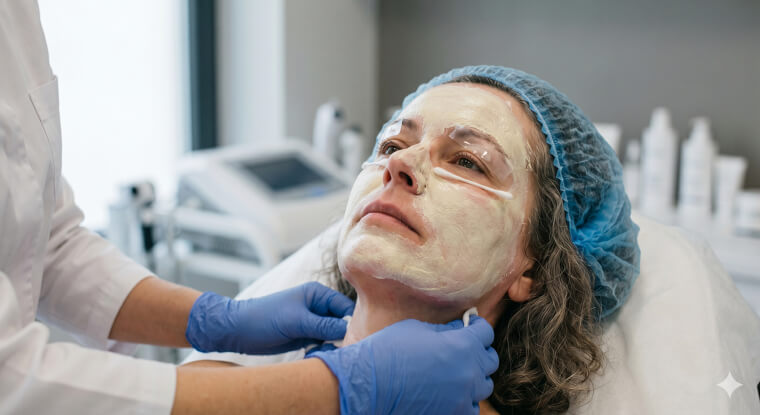
The skin then turns into a hard, crusty mask before it begins to peel away in large sheets. The raw skin underneath is incredibly sensitive to air, light, and touch, making the first two weeks of recovery a.
CO2 Laser Resurfacing: Heat-Induced Trauma and Raw Skin Sensitivity
Ablative CO2 laser resurfacing works by vaporizing the outer layers of the skin to reveal smoother tissue underneath. This is essentially using heat to create a widespread, uniform wound on the face. After the procedure, the skin feels like it has a massive, severe sunburn that throbs with every heartbeat. For the first few days, the skin "weeps" fluid and must be kept covered in thick ointments, which can feel heavy and suffocating.
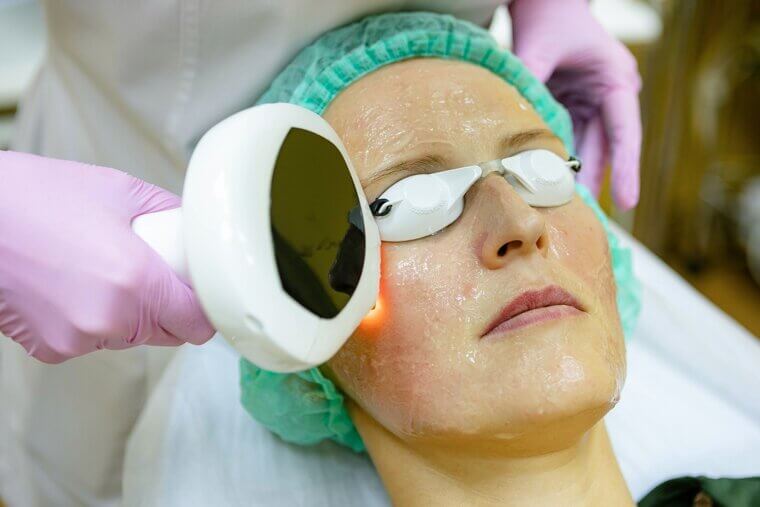
The primary source of pain is the intense heat sensation that lingers for hours or days, followed by extreme sensitivity.
Rib Removal for Waist Narrowing: Bone Trauma and Respiratory Restriction
Rib removal is one of the more extreme cosmetic surgeries, involving the surgical excision of the lower "floating" ribs to create a more dramatic hourglass figure. Because this involves cutting through bone and interfering with the structure of the ribcage, the pain is significant and deep. The ribs play a vital role in supporting the torso and assisting with breathing; therefore, every breath taken during the recovery period can be felt as a sharp ache.
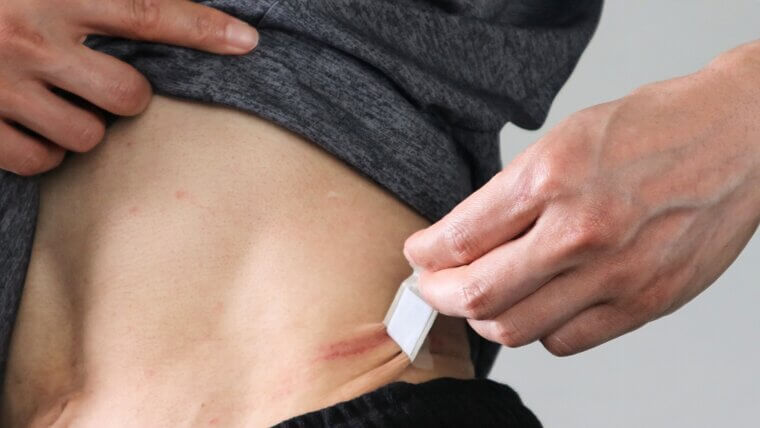
There is also a high risk of nerve irritation in the intercostal area. The recovery is long because bone takes much longer to heal than soft tissue, and patients must wear restrictive corsets to "mold" the new shape,.
Gum Contouring: Sensitive Nerve Exposure and Oral Irritation
Cosmetic gum contouring, or a "gingivectomy," involves cutting away excess gum tissue to fix a "gummy" smile. Even when done with lasers, the procedure involves removing living tissue from a very sensitive area filled with nerve endings. Once the numbing wears off, the mouth feels incredibly tender and raw. Because we use our mouths constantly for speaking and eating, it is nearly impossible to give the area total rest.
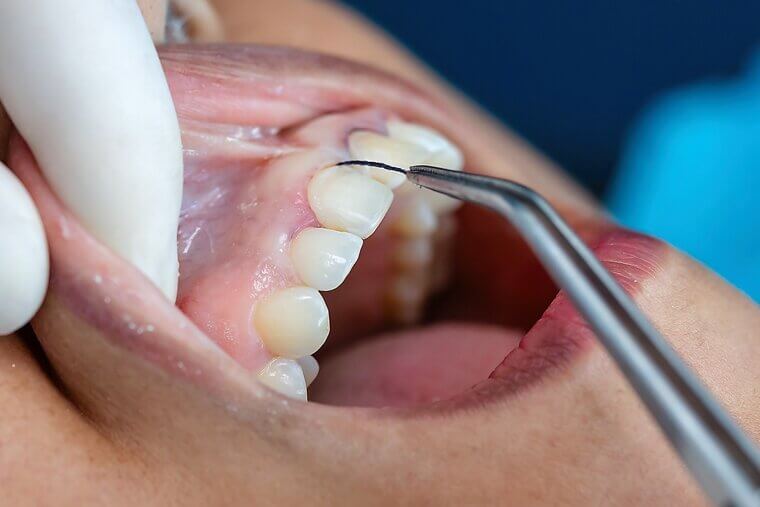
Spicy, acidic, or even crunchy foods can cause sharp, stinging pain. The gums are also prone to throbbing, especially when lying down, as blood flow increases to the head.
Dental Implants: Jawbone Drilling and Significant Pressure
Getting a dental implant is a multi-stage process that involves drilling a titanium post directly into the jawbone. This is a significant orthopedic-style surgery performed inside the mouth. The trauma to the bone and the surrounding soft tissue leads to deep, localized throbbing that can radiate through the entire jaw and even into the ear or neck. Swelling is often significant, making it difficult to open the mouth or chew.
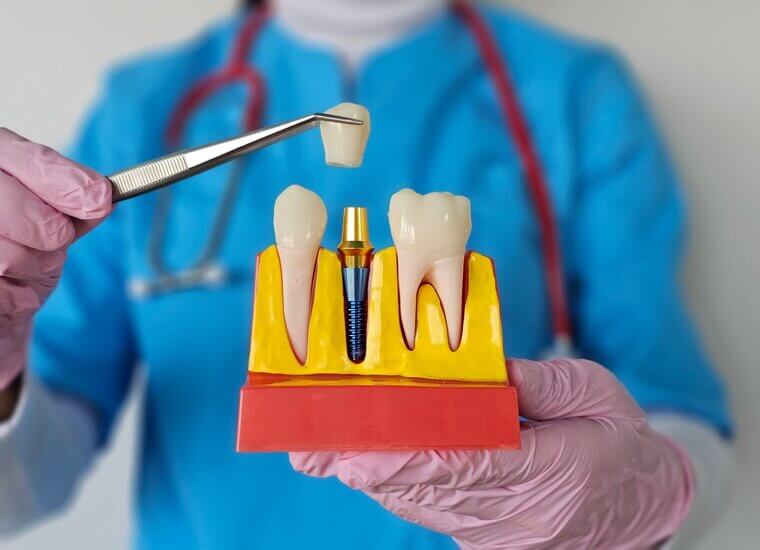
The sensation is much more intense than a standard filling or even a root canal because of the mechanical force required to seat the implant in the bone.
Brachioplasty (Arm Lift): Constant Tension and Restricted Movement
An arm lift involves removing the "bat wings" or loose skin from the underside of the upper arm. The incision typically runs from the armpit to the elbow. This is a particularly painful area because the skin is thin and the nerves are close to the surface. Furthermore, humans move their arms for almost every activity, from getting dressed to eating. Each movement puts tension on the long incision line, leading to a sharp, pulling sensation.
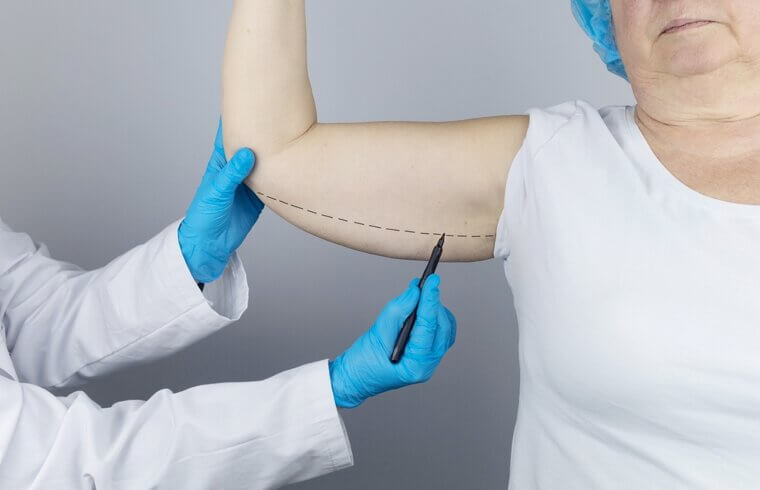
There is also a high risk of significant swelling in the hands and forearms, as the surgery can temporarily disrupt lymphatic drainage. The feeling of "tightness" in the arms can be very claustrophobic and uncomfortable during the initial weeks.
Hair Transplant (FUT Method): Scalp Tension and "tight Hat" Sensation
The Follicular Unit Transplantation (FUT) method involves removing a long strip of skin from the back of the scalp to harvest hair follicles. This leaves a long horizontal incision that must be stitched back together. Because the scalp skin is naturally quite tight, pulling it together after removing a strip creates intense tension. Patients often describe the feeling as if they are wearing a hat that is several sizes too small, or like their head is being squeezed in a vice.
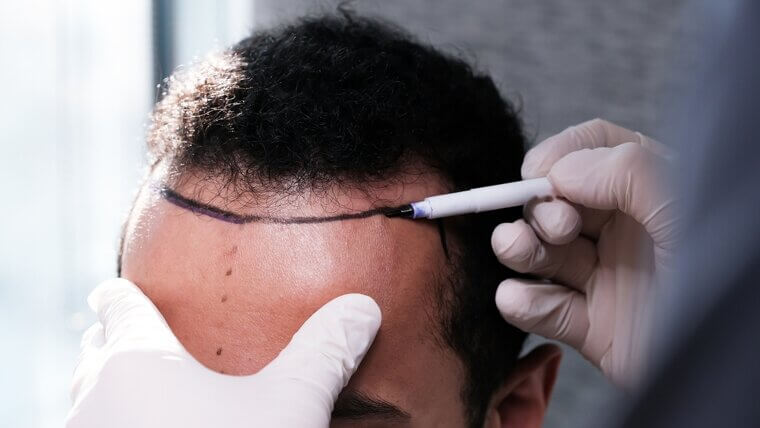
Sleeping is particularly difficult because the incision is on the back of the head, making it nearly impossible to find a comfortable position that doesn't put pressure on the tender, stitched area.
Calf Implants: Muscle Stretching and Walking Difficulties
Calf augmentation involves placing silicone implants over the calf muscles to create more definition. Similar to breast implants placed under the muscle, these implants force the thick, strong calf muscles to stretch and accommodate a foreign object. However, unlike breasts, we use our calves for every step we take. For the first week or two, patients often find they cannot put their heels flat on the floor due to the intense tightness and muscle spasms.
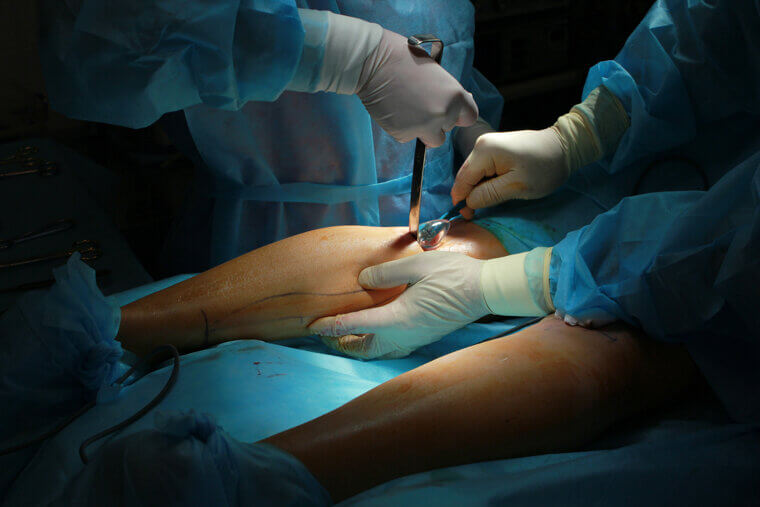
Walking must be done on the tiptoes, which leads to secondary pain in the feet and shins. The deep, muscular ache is persistent and is often described as a "permanent charley horse" during the early stages of healing.
Medial Thigh Lift: Groin Sensitivity and High Infection Risk
A medial thigh lift specifically targets the skin at the very top of the inner thigh, near the groin. This area is incredibly sensitive due to the concentration of lymph nodes and nerves. The surgery involves removing a wedge of skin and anchoring the remaining tissue to the dense fascia in the groin area. The resulting tension makes walking, sitting, or even going to the bathroom a painful ordeal.
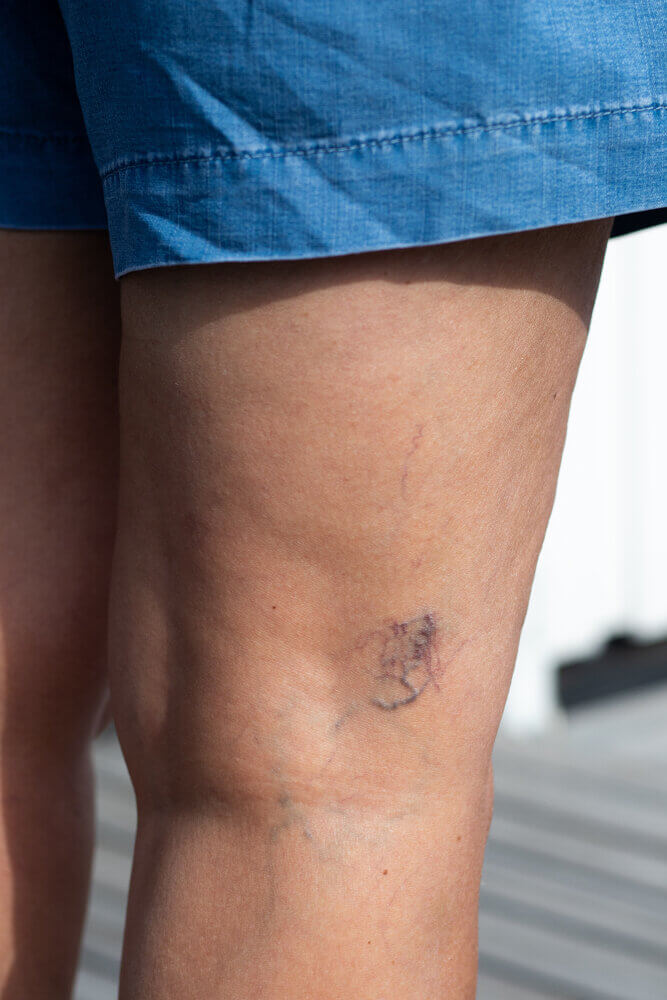
Because the incision is tucked into a natural fold of the body, it is prone to moisture and irritation, which can lead to a stinging, "chafed" sensation that persists for weeks.
Vertical Facelift: Intense Neck Tension and Ear Discomfort
A vertical facelift focuses on pulling the facial tissues upward rather than backward, which often involves a great deal of work around the neck and the area behind the ears. This specific direction of pull creates significant tension on the skin and muscles of the neck. Patients often feel like they are wearing an incredibly tight turtleneck that they cannot take off. The incisions around and behind the ears are also quite sensitive; the cartilage can feel bruised and tender, making it painful to rest the head on a pillow.
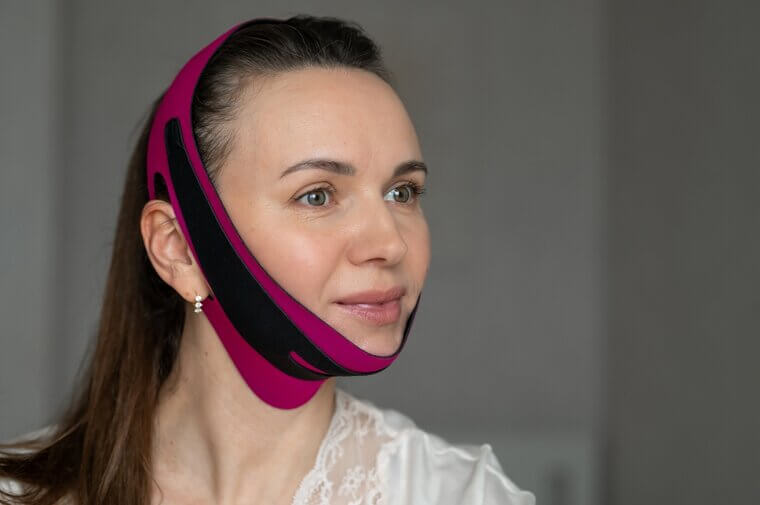
The "tight" feeling is often accompanied by a temporary loss of sensation, which creates a strange, disconnected feeling that can be mentally and physically exhausting.
Large Volume Liposuction: Widespread Bruising and Inflammatory Response
When a large volume of fat is removed (typically 5 liters or more), the body undergoes a significant inflammatory response. The cannula used to break up the fat creates thousands of tiny tunnels under the skin, which then fill with fluid and blood. This results in massive bruising that can turn the skin shades of deep purple and black. The pain is not a sharp, localized sting, but rather a deep, systemic ache that feels like the patient was involved in a major car accident.
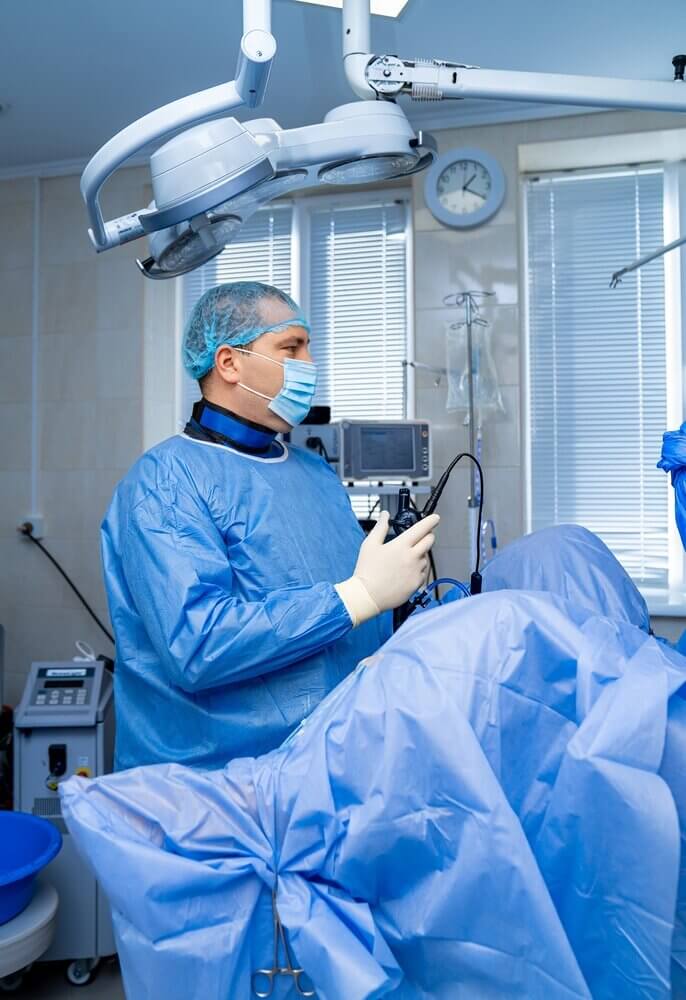
The entire treated area is tender to even the lightest touch, and the compression garments required for healing can feel like they are squeezing already-sore tissues to the breaking point.
Breast Reduction: Extensive Internal Remodeling and Nipple Sensitivity
While many women find relief from back pain after a breast reduction, the surgery itself is quite invasive. It involves the removal of skin, glandular tissue, and fat, often followed by the repositioning of the nipple and areola. The internal "remodeling" is extensive, and the resulting anchor-shaped incisions cover a lot of ground. Many patients experience sharp, shooting pains as the nerves in the breast tissue begin to heal and reconnect.

There is also a period of intense hypersensitivity where even the softest fabric against the skin can feel like sandpaper.
Lower Body Lift: Massive Circumference of Trauma
The lower body lift is a powerhouse procedure that addresses the tummy, outer thighs, and buttocks. It is essentially a tummy tuck that continues all the way around the back. This means the patient has a continuous incision encircling their entire waistline. The primary difficulty is that there is no "safe" place to rest. If the patient lies on their stomach, the front of the incision is under pressure; if they lie on their back, the rear is compressed.
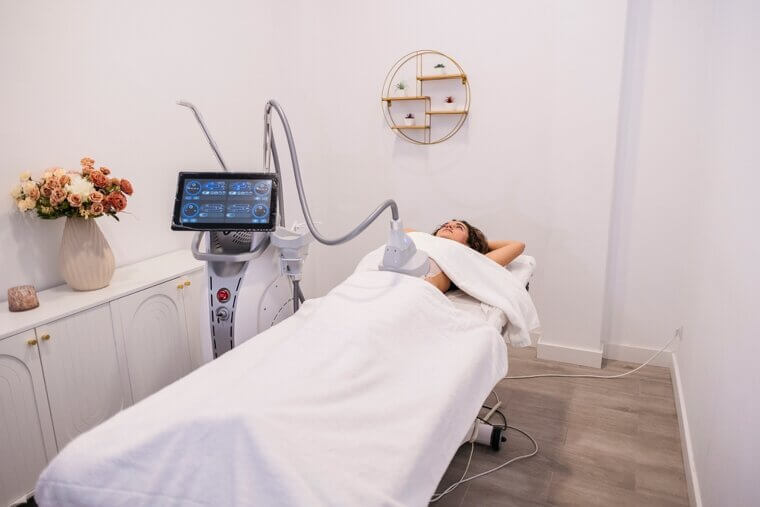
Every time the patient twists, bends, or tries to stand, the entire midsection of the body feels a sharp, pulling tension. The level of exhaustion from the body trying to heal such a large area of trauma is profound.
Brow Lift: Scalp Numbness and "frozen" Forehead Pressure
A brow lift involves lifting the skin and muscles of the forehead to create a more "awake" appearance. Whether done endoscopically or with a traditional incision, it involves significant manipulation of the forehead tissues and the nerves that supply sensation to the scalp. After surgery, the forehead often feels incredibly heavy and "frozen," as if a tight band is wrapped around the head. As the numbing wears off, many patients report a burning or stinging sensation along the hairline.
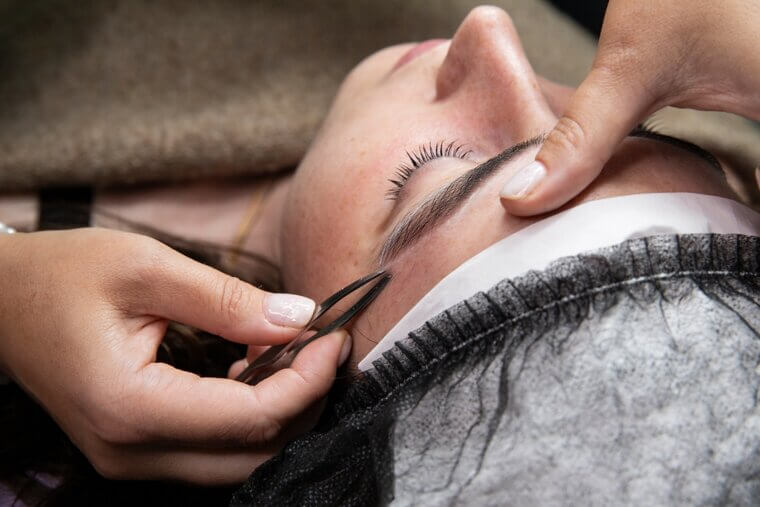
A particularly annoying part of the recovery is the "phantom itching" that occurs as nerves heal; the scalp may itch intensely, but because it is numb, scratching it provides no relief, which can be incredibly frustrating.
Chin Augmentation With Bone Shaving: Bone Trauma and Nerve Sensitivity
While a chin implant is one thing, a "sliding genioplasty" involves physically cutting the chin bone and moving it forward, or shaving it down to reduce its size. Any time bone is cut or reshaped, the pain is deep and throbbing. The chin and lower lip are also served by a major nerve that can be easily irritated during this procedure. This leads to a combination of numbness and sharp "electric shock" sensations in the lip and chin.
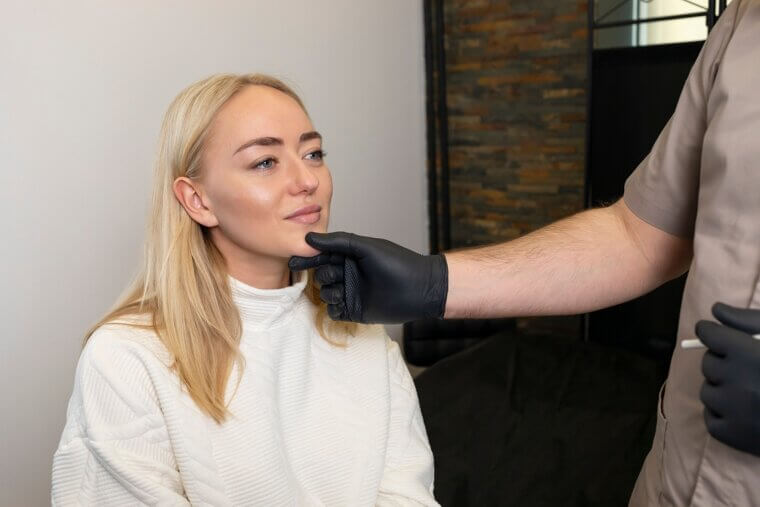
The swelling is usually quite pronounced, making it difficult to speak clearly or eat anything but liquids. The deep ache in the jawbone can last for weeks as the bone begins the slow process of knitting back together.
Otoplasty (Ear Pinning): Cartilage Tenderness and Sleeping Difficulties
Otoplasty is the surgical repositioning of the ears, usually to bring them closer to the head. The surgeon must reshape or remove pieces of the ear cartilage, which is notoriously slow to heal and very sensitive. Once the ears are "pinned" back, they are under constant tension. The most difficult part of the recovery is the pain associated with any pressure on the ears. Patients must wear a headband to keep the ears in place, but this can feel like it is pressing on a fresh bruise.
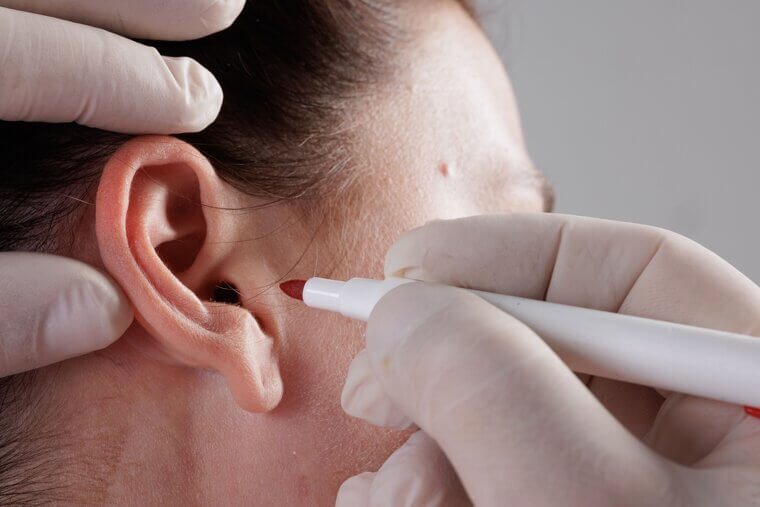
Sleeping is a major challenge, as lying on the side is impossible, and accidentally rolling over in the night can result in a sharp, wake-you-up-instantly pain.
Neck Lift: Constant "choking" Sensation and Muscle Tightness
A neck lift often involves tightening the platysma muscle, which runs vertically down the neck. When this muscle is tightened and the skin is pulled back, it creates a very intense feeling of constriction. Patients often report feeling like they have a very tight neck brace on at all times. Swelling in the neck can also make swallowing feel slightly strange or uncomfortable for the first few days.
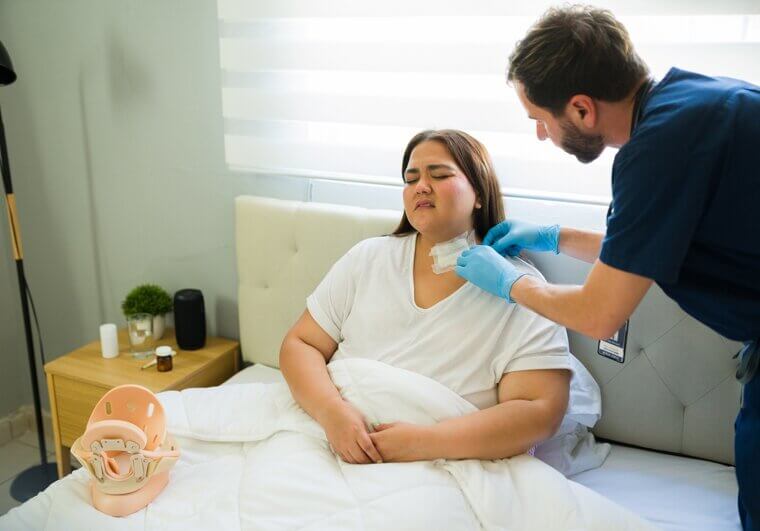
Because we turn our heads hundreds of times a day, every glance to the side or up and down results in a pulling sensation that can be quite sharp.
Lip Lift: Tension Under the Nose and Restricted Smiling
A lip lift involves removing a small piece of skin directly under the nose to shorten the space between the nose and the upper lip. This creates a more youthful, "pouty" look, but it comes with a high price in terms of daily discomfort. The area under the nose is very sensitive, and the incision is subject to constant movement from talking, eating, and even breathing through the nose.
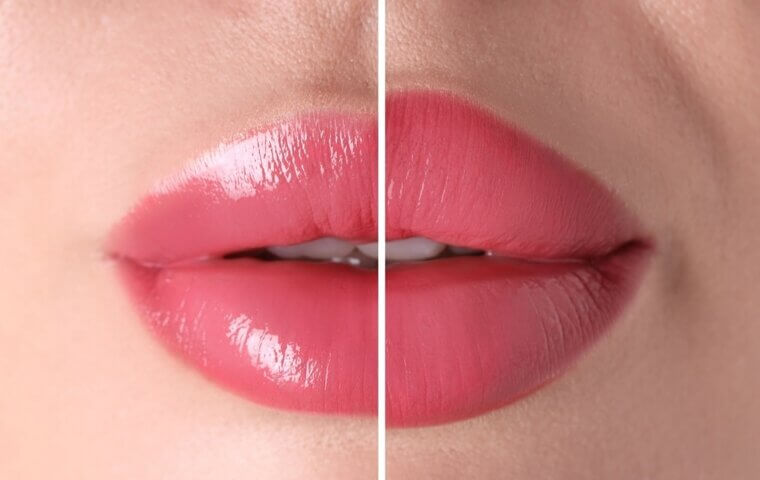
For the first week, patients often find that they cannot smile or move their upper lip without a sharp, stinging pain.
Buccal Fat Removal: Internal Mouth Soreness and Chewing Pain
Buccal fat removal involves making incisions inside the mouth, in the cheeks, to remove the fat pads that create a "baby face" look. Because the incisions are inside the oral cavity, they are constantly irritated by saliva and any movement of the jaw. Every time a patient talks or tries to eat, the cheek muscles pull on the internal sutures, causing a sharp, localized pain. There is also a risk of significant swelling that can make the inside of the cheeks feel like they are being bitten accidentally.

The recovery requires a strict liquid or soft-food diet for several days, as the mechanical action of chewing is far too painful to endure.
Body Contouring After Weight Loss: Multiple Surgical Sites and Drainage
For those who have lost a significant amount of weight, body contouring often involves removing skin from the arms, breasts, stomach, and thighs all in one or two sessions. This "multi-front" war on the body’s tissues means the patient has virtually no area that isn't sore. The cumulative effect of multiple incisions and the body's massive inflammatory response creates an overwhelming sense of fatigue and pain.
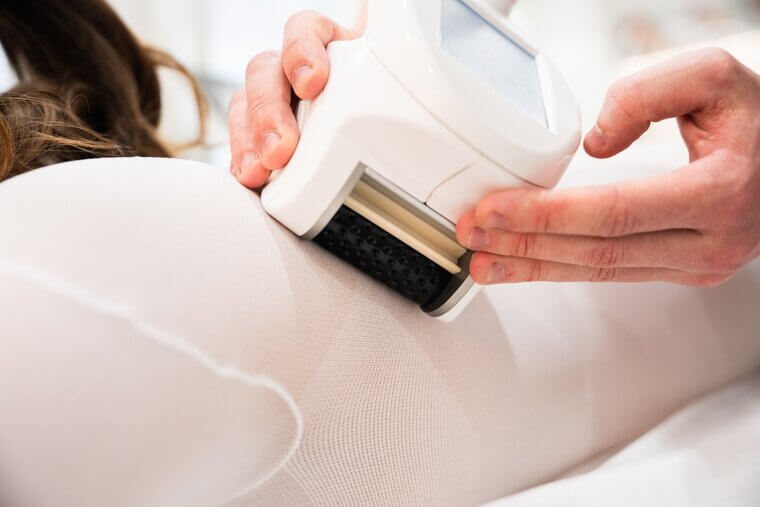
Managing multiple surgical drains—which are tubes that carry away excess fluid—is also physically uncomfortable, as the tubes "tug" on the skin from the inside.
Cheek Implants: Deep Facial Pressure and Sinus Irritation
Cheek implants are placed through incisions made either inside the upper lip or through the lower eyelid. They are then secured directly onto the cheekbones. This creates a deep, heavy pressure in the mid-face area that can feel very strange and uncomfortable. Because the implants sit near the sinus cavities, some patients report a feeling of "congestion" or sinus pressure as the tissues swell. Smiling and laughing are very painful for the first few weeks, as the facial muscles try to move over the new, rigid implants.
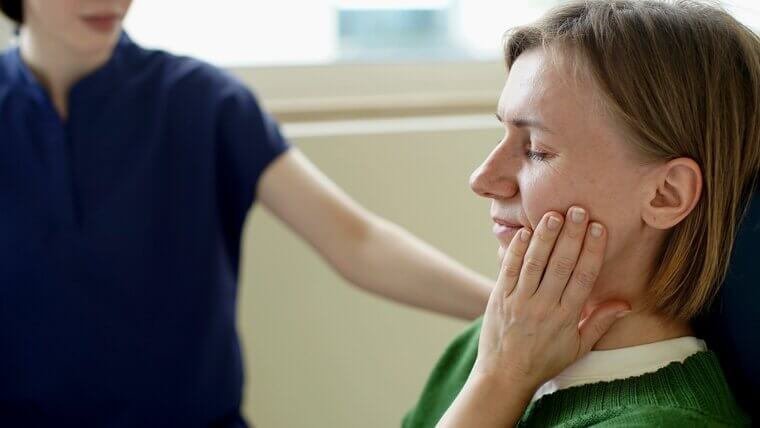
There is also a risk of temporary numbness in the upper lip and cheeks, which is often accompanied by "pins and needles" sensations as the nerves heal.
Deep Chemical Peel (TCA): Intense Stinging and "tight Mask" Sensation
A medium-to-deep TCA (Trichloroacetic acid) peel is less intense than a phenol peel but still far more painful than a standard spa facial. During the application, patients often feel a very intense burning or stinging that requires a fan to cool the skin. In the days following, the skin turns a dark brown and becomes incredibly tight, like a layer of dry parchment paper that is about to crack.
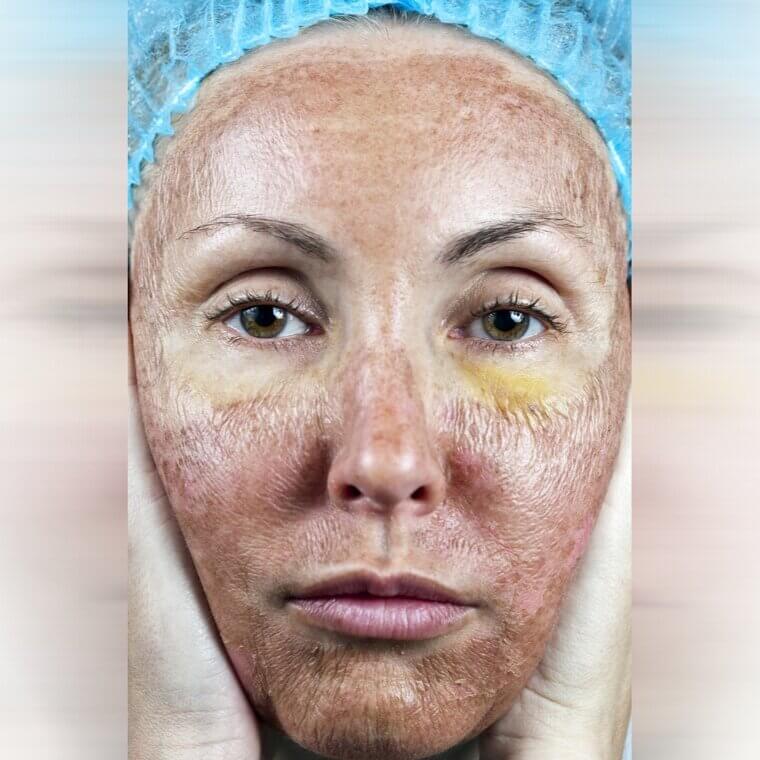
The primary discomfort comes when the skin actually begins to peel; the raw, new skin underneath is hypersensitive. Any facial movement, like opening the mouth to eat, can cause the "mask" to pull painfully on the sensitive edges.
Laser Hair Removal in Sensitive Areas: Repeated "rubber Band" Snapping
While laser hair removal is a common procedure, having it done in highly sensitive areas like the "Brazilian" zone or the upper lip can be quite painful. Each pulse of the laser feels like a hot rubber band being snapped against the skin. Because the procedure involves hundreds of these snaps in a single session, the cumulative effect can be very uncomfortable. Afterward, the area feels like it has a mild sunburn, and the friction from clothing can cause a lingering, stinging sensation.
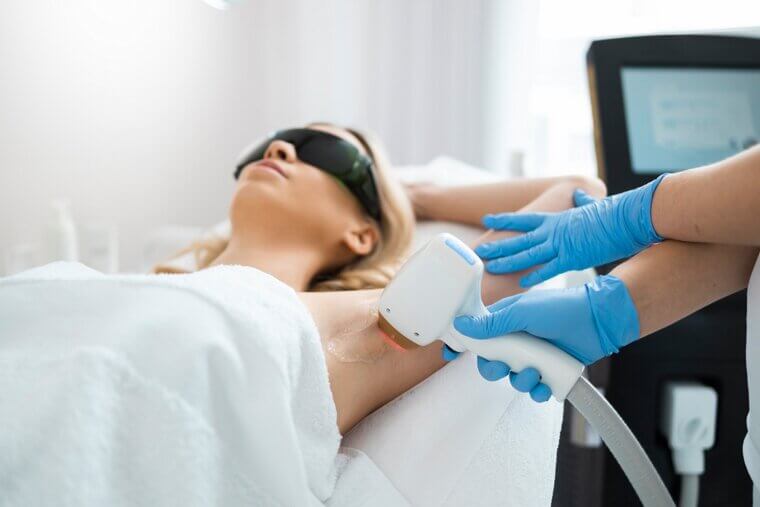
For many, the pain is manageable, but for those with low pain thresholds or very coarse hair, the session can be a real test of endurance.
Microneedling With Radiofrequency: Heat and Needle Penetration
This procedure combines the mechanical trauma of tiny needles puncturing the skin with the thermal energy of radiofrequency. The goal is to stimulate collagen, but the process involves creating thousands of micro-wounds while simultaneously heating the deeper layers of the skin. Even with numbing cream, patients often feel a sharp, prickly sensation combined with a deep heat. After the treatment, the face feels incredibly hot and "tight" for about 24 to 48 hours.
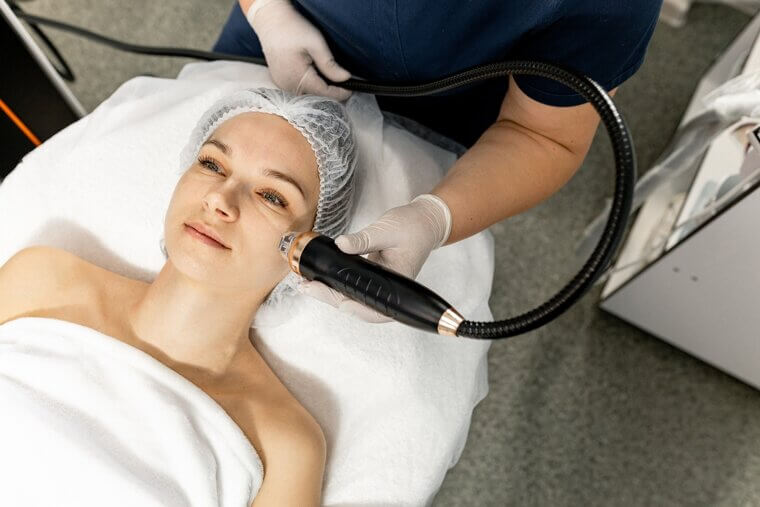
The skin can be very tender to the touch, and the sensation of "pulsing" heat can make it difficult to relax or sleep comfortably on the first night.
CoolSculpting: Intense Cold Followed by the "thaw" Ache
CoolSculpting is a non-invasive fat-reduction treatment that works by freezing fat cells. While it doesn't involve surgery, the "pain" comes in two stages. First, the intense cold can be very uncomfortable for the first few minutes until the area goes numb. However, the real discomfort often happens during the "thaw" and the days following. As the nerves in the frozen tissue wake back up, many patients experience a deep, neuralgic ache or "stinging" sensation that can last for a week or more.
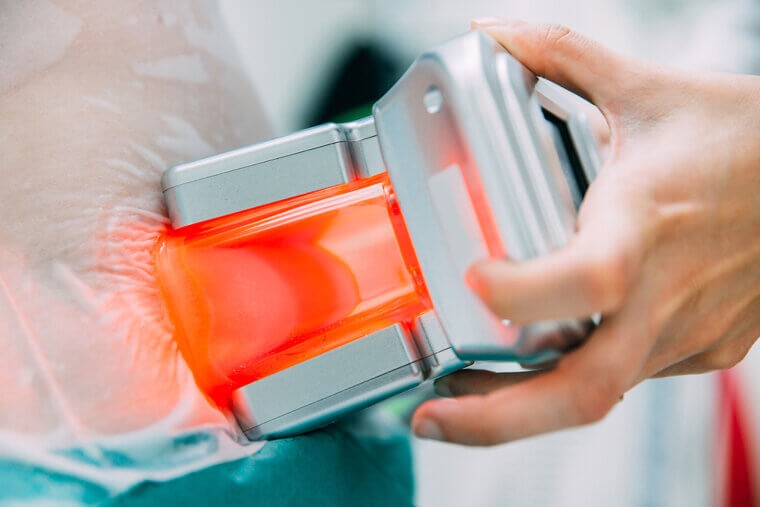
Some people also report a "cramping" feeling in the treated area, as the body begins the inflammatory process of clearing away the dead fat cells.
Hand Rejuvenation (Fat Transfer): Swelling and Loss of Dexterity
Hand rejuvenation involves injecting fat or fillers into the backs of the hands to hide prominent veins and tendons. Because we use our hands for everything, the swelling that follows this procedure is particularly debilitating. The skin on the back of the hand is very thin and doesn't have much room to expand, so when it swells, it feels incredibly tight and "bursting." Simple tasks like gripping a toothbrush, typing, or buttoning a shirt can be painful and difficult.
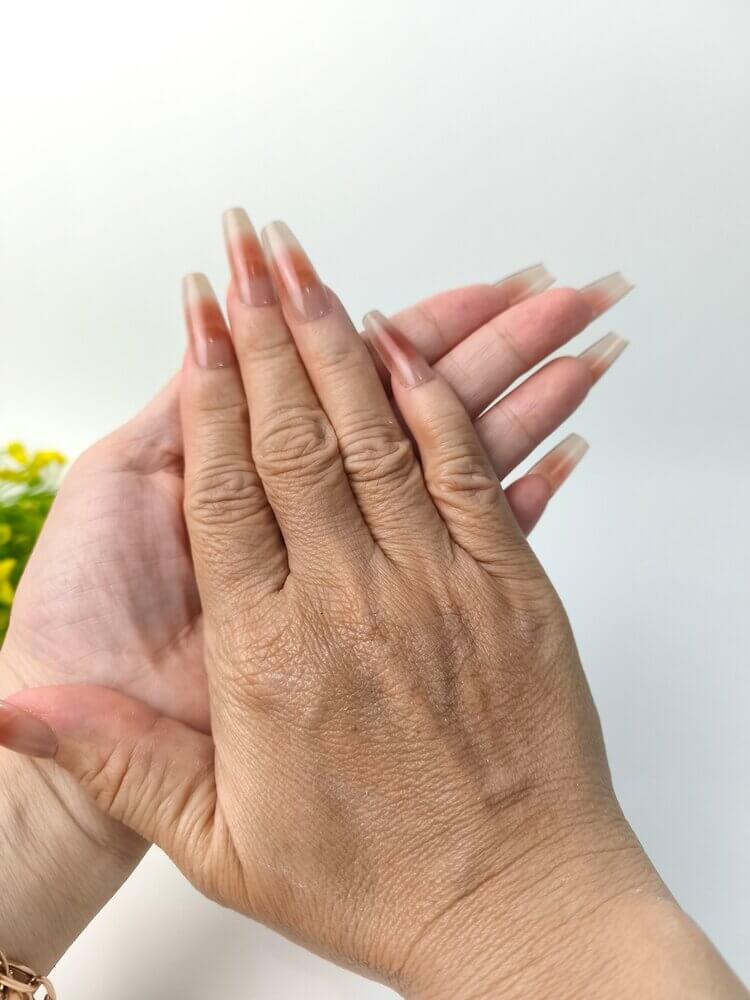
The hands often feel heavy and "throbbing," and because they are frequently in a "down" position, gravity makes the swelling and the associated pressure sensation even worse.
Thread Lift: Internal "tugging" and Sharp Needle Pokes
A thread lift involves inserting barbed sutures under the skin to physically "hook" and lift sagging tissue. The procedure involves several needle punctures, and even with local anesthesia, the sensation of the threads being pulled through the tissue can be very unsettling and sharp. Once the numbing wears off, patients often feel a constant "tugging" sensation whenever they move their face. If a thread is placed too close to a nerve, it can cause a sharp, electric-shock sensation.
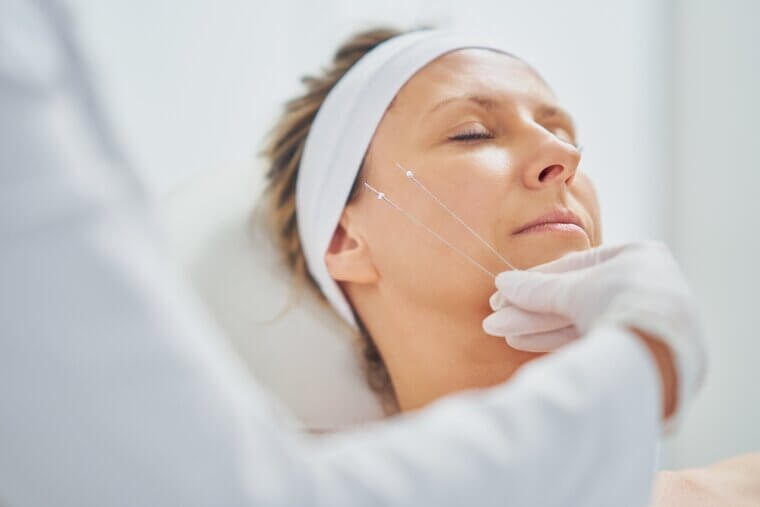
For the first week, patients must be careful not to open their mouths too wide, as "popping" a thread can result in a sudden, sharp pain and a loss of the lifting effect.